


The Real Cost of Skipping Eye Protection Onsite
Why “Near Enough” Isn’t Good Enough: The Real Cost of Skipping Eye Protection Onsite
Walk into any workshop, mine site, or residential build across Western Australia, and you’ll see the standard kit: steel caps, hi-vis, and a hard hat. But when it comes to safety glasses, things get sloppy. They get pushed up onto the forehead, left on the dash of the ute, or swapped out for cheap fashion sunglasses because it’s “just a quick cut.”
According to Safe Work Australia data, roughly 8% of all workplace injuries in Australia are eye injuries. That equates to around 50,000 eye injuries nationwide every single year.
The kicker? Up to 90% of these injuries are entirely preventable.
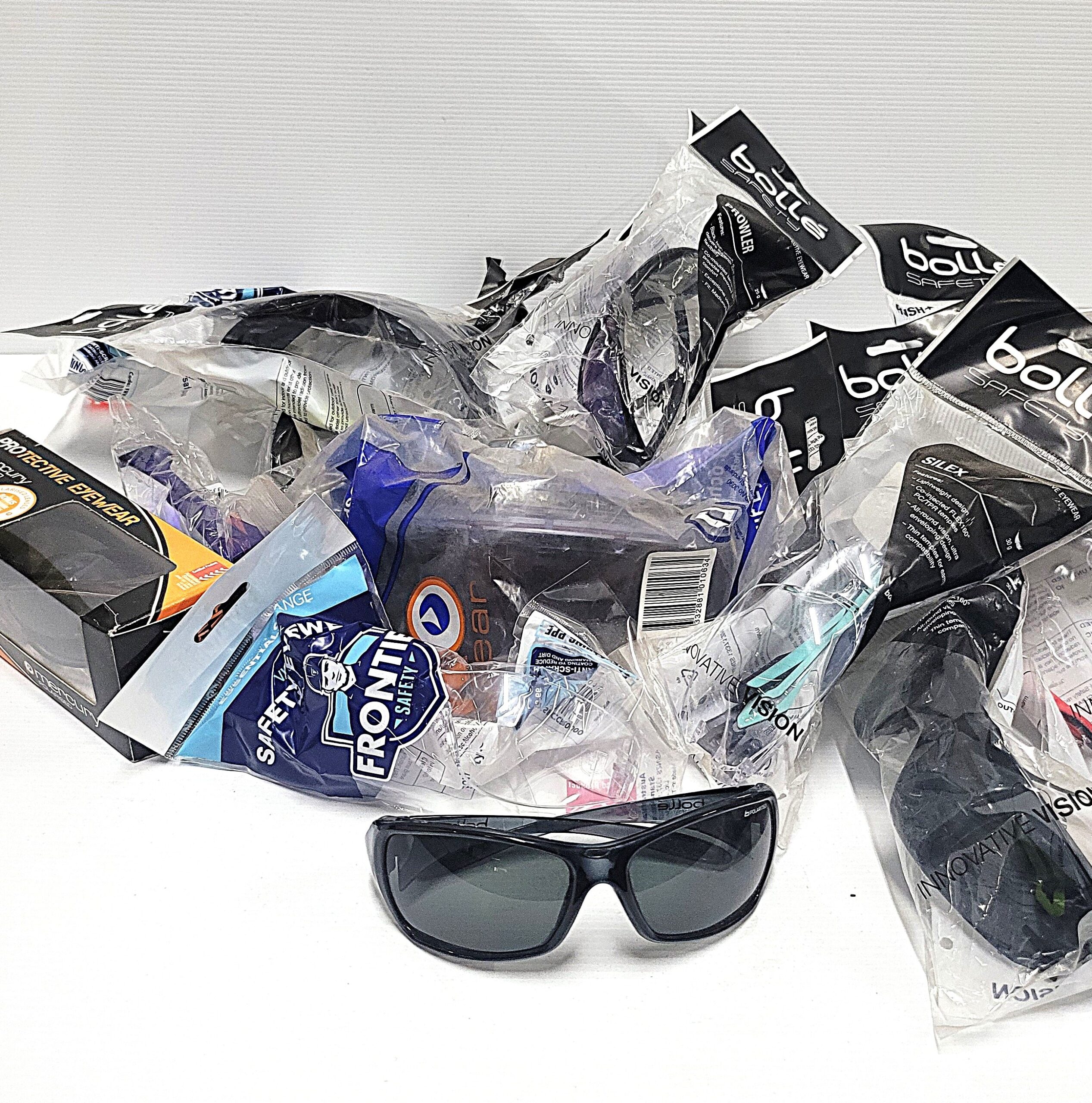
At Alltools WA, we supply gear to trade, industrial, mining, and gas sectors across the country. We see firsthand the consequences of using subpar equipment. If you’re relying on standard clear specs or a pair of cheap servo sunnies to protect your vision while grinding, drilling, or handling chemicals, you are rolling the dice on your eyesight.
The Hazards: It Only Takes a Millisecond
Most blokes think eye injuries only happen during massive structural failures or major accidents. In reality, the vast majority are caused by tiny, everyday particles.
Comcare data reveals that 59% of eye-related workers’ compensation claims are for a foreign body on the external eye.
| Hazard Type | Common Site Examples | Injury Risk |
| Mechanical Impact | Grinding metal, wood turning, masonry drilling, using explosive power tools | Flying wood chips, metal swarf, broken discs, or concrete fragments penetrating the eyeball. |
| Chemical Splash | Degreasing engines, battery maintenance, concrete mixing, handling solvents | Chemical burns, corneal ulceration, or permanent blindness from caustic liquids. |
| Optical Radiation | TIG/MIG welding, oxy-cutting, outdoor site work under the WA sun | “Arc eye” (radiation burns to the cornea), cataracts, and long-term UV damage. |
Decoding the Standard: AS/NZS 1337 Explained
You can buy a multi-pack of clear safety glasses online for next to nothing, but if they don’t carry the right certification stamp, they are useless under Australian WHS laws.
Industrial eye protection in Australia must comply with AS/NZS 1337.1 (for non-prescription) or AS/NZS 1337.6 (for prescription safety glasses).
The “Medium Impact” Test: To achieve a Medium Impact rating (marked with an “I” or “M” on the lens and frame), the eyewear must withstand a 6.35mm steel ball fired at 45 metres per second directly at the lens.
If your glasses aren’t certified, that flying fragment of a shattered cutting disc won’t just break the lens—it will drive the plastic shards straight into your eye.
Look for the Markings
Before you start a high-risk job, look at the inside arms or the corner of the lenses of your specs. You should see:
-
AS/NZS 1337.1 stamped on the frame.
-
An I or V mark, indicating medium impact resistance and UV protection.
-
Anti-fog (F) or scratch-resistant coatings if applicable.
Anti-Fog & Positive Seals: Solving the Real Reasons Guys Ditch Specs
When we ask tradies why they took their glasses off right before an accident, the answer is always the same: “They kept fogging up,” or “Dust kept getting behind the lens anyway.”
The industry has moved past the old, rigid plastic specs that dig into your ears and fog up the second you sweat. Modern site safety requires task-specific eyewear:
1. Anti-Fog Technology
In the heat of a WA summer or inside unventilated workshop bays, standard lenses fog up instantly due to humidity and sweat. Modern premium safety glasses utilize advanced hydrophilic coatings that bond to the lens, forcing moisture to spread evenly across the surface rather than forming performance-blocking mist.
2. Positive Seal Gaskets
If you are grinding metal, working in dusty ceiling spaces, or operating on a high-wind mine site, standard safety glasses leave a 5mm to 20mm gap around your cheeks and brows. Flying swarf and fine dust bounce off your face and land right behind the lens.
Positive seal safety glasses feature a detachable foam or rubber gasket that seals directly against your face, completely blocking airborne particles while maintaining airflow to prevent fogging.
Protect Your Real Estate
Your eyes are irreplaceable. A serious eye injury averages 1.5 to 7.4 weeks of lost working time, thousands of dollars in medical costs, and the permanent risk of vision loss.
Don’t treat eye protection as an afterthought or a box-ticking exercise for the safety rep. Invest in a pair of high-quality, certified AS/NZS 1337 specs that fit comfortably, don’t fog up, and actually keep the dust out.
Need to upgrade your crew’s safety gear or your current PPE setup?
Alltools WA
📍 204 Collier Road, Bayswater, WA 6053
📞 08 9272 7611
Drop into the store or get in touch with our procurement team to source certified eye protection built for heavy industrial use.