
ALL TOOLS BLOG
Taps and Dies Explained: Types, Uses and Choosing the Right Thread Cutting Tools
Taps and Dies Explained: Types, Uses and Choosing the Right Thread Cutting Tools
Taps and dies are essential workshop tools used for creating and repairing threaded fasteners. From automotive repairs and machinery maintenance to fabrication and general engineering work, they allow accurate threads to be cut in both holes and round stock.
While the concept is simple, choosing the correct tool and using it properly makes a significant difference to the quality of the finished thread and the life of the tool itself. Understanding the different types of taps and dies, how they are used, and what to look for when buying them will help avoid broken tools and damaged components.
This guide explains the basics of thread cutting tools and what to consider when selecting a tap and die set for workshop use.
What Are Taps and Dies?
Taps and dies are precision cutting tools used to produce screw threads.
A tap cuts an internal thread inside a drilled hole. This creates the female thread that accepts a bolt or screw.
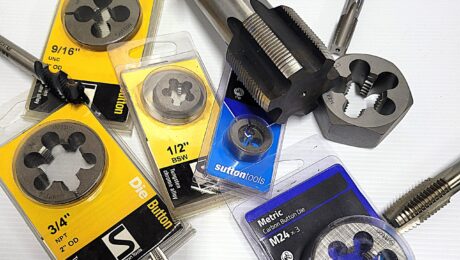
A die cuts an external thread on a rod or shaft. This produces the male thread found on bolts, studs and threaded fasteners.
Together they allow a user to:
-
create new threaded holes
-
cut threads on bar stock or custom studs
-
perform thread repair on damaged fasteners
-
restore corroded or worn threads
These tools are widely used in mechanical repair, fabrication workshops, maintenance departments and home garages.
Types of Taps
Different taps are designed for different stages of thread cutting and for different materials or hole types.
Taper Tap
A taper tap is normally used to begin a new thread.
The cutting teeth taper gradually over the first several threads which allows the tap to enter the hole smoothly and align correctly. This reduces the load on the tool and lowers the chance of breakage.
Typical uses include:
-
starting new threads
-
tapping tougher materials
-
ensuring accurate alignment
Because of the long lead, taper taps cannot normally cut threads all the way to the bottom of a blind hole.
Plug Tap
The plug tap is the most common general purpose tap.
It has a shorter lead than a taper tap and continues the thread deeper into the hole. In many workshop jobs a plug tap will handle most of the cutting work.
Plug taps are commonly used for:
-
through holes
-
general maintenance work
-
intermediate thread cutting after a taper tap
Many basic tap sets include plug taps as the primary working tap.
Bottoming Tap
Bottoming taps are designed to cut threads right to the bottom of a blind hole.
They have very little taper at the tip which allows them to extend the thread to full depth after the thread has already been started with a taper or plug tap.
They are typically used when:
-
a bolt must seat fully in a blind hole
-
maximum thread depth is required
-
precision mechanical assemblies are involved
Because they have almost no lead, they are not suitable for starting threads.
Spiral Point Taps
Spiral point taps are sometimes referred to as gun taps.
They are designed to push chips forward through the hole as the tap cuts, which makes them particularly suitable for through holes and production work.
Advantages include:
-
faster cutting
-
better chip control
-
smoother operation when power tapping
Spiral Flute Taps
Spiral flute taps pull chips back out of the hole rather than pushing them forward.
This makes them ideal for blind holes where chips cannot exit through the opposite side of the workpiece.
They are commonly used with materials such as aluminium, brass and softer steels where chip build-up can be a problem.
Forming Taps
Forming taps work differently to standard cutting taps.
Instead of cutting away material, they displace the metal to form the thread shape. This produces strong threads and eliminates cutting chips.
They are usually used in ductile materials such as aluminium and mild steel and are often found in production environments.
Types of Dies
Dies are used to cut external threads on rods, shafts or studs.
Round Dies
Round dies are the most common type used in hand threading operations.
They are usually fitted into a die stock which provides leverage and allows the die to be turned evenly around the workpiece.
Round dies are typically used for:
-
cutting threads on new rods
-
producing custom studs
-
replacing damaged bolt threads
Adjustable Dies
Adjustable dies contain a small slot that allows the diameter to be adjusted slightly.
This enables the operator to:
-
cut threads gradually
-
fine tune the thread fit
-
extend the life of the die
They are useful when a precise fit is required between the bolt and nut.
Hex Dies
Hex dies are primarily used for thread repair rather than cutting brand new threads.
Because of their hexagonal shape they can be turned using a standard spanner or socket, which makes them useful in tight spaces where a die stock will not fit.
Materials Used in Taps and Dies
The material used to manufacture the tool has a major impact on durability and performance.
High Speed Steel
High Speed Steel, commonly referred to as HSS, is the preferred material for most professional taps and dies.
It retains hardness at higher temperatures and maintains a sharper cutting edge when used on steel and other metals.
For regular workshop use, HSS tools are generally the best choice.
Carbon Steel
Carbon steel taps and dies are often found in low cost sets.
They can be suitable for occasional use or for working with softer materials, but they tend to wear faster and are more prone to breakage in harder metals.
Coated Tools
Some higher grade threading tools feature coatings that reduce friction and improve wear resistance.
These coatings can extend tool life when working with harder materials or when the tools are used frequently.
Choosing the Right Tap and Die Set
When selecting a tap and die set there are several factors worth considering.
Thread Standards
Ensure the set covers the thread systems you regularly work with.
Common standards include metric threads and UNC or UNF imperial threads. Some industries also require BSP pipe threads.
Complete Tap Selection
Quality sets usually include the three standard taps for each size:
-
taper tap
-
plug tap
-
bottoming tap
This allows threads to be cut properly in stages.
Clear Markings
Each tap and die should be clearly marked with the thread size and pitch. Accurate markings prevent mistakes and make tool selection easier during a job.
Proper Tool Holders
A good set should include both a tap wrench and a die stock. These tools ensure even pressure is applied during cutting and help keep the tool square with the workpiece.
Common Mistakes When Cutting Threads
Many thread cutting problems come down to incorrect technique rather than poor tools.
Incorrect Drill Size
Before tapping a hole it must be drilled to the correct tap drill size. If the hole is too small the tap will be overloaded and may break.
Not Using Cutting Fluid
Cutting oil reduces friction and heat while improving the finish of the thread. It also helps extend the life of the tool.
Failing to Break Chips
When hand tapping, the tap should be reversed slightly every few turns. This breaks the chip and prevents the flutes from clogging.
Forcing the Tool
If the tap becomes tight, forcing it further can easily snap the tool. Back it out, clear the chips and apply more cutting fluid before continuing.
When Are Taps and Dies Used?
Taps and dies are commonly used for:
-
creating threaded holes in metal components
-
cutting threads on rod or bar stock
-
producing custom bolts or studs
-
maintenance and machinery repair
-
thread repair on damaged fasteners
Having the correct threading tools available makes these jobs far easier and ensures the finished threads are accurate and reliable.
Final Thoughts
Taps and dies may appear simple, but they are precision tools that play an important role in mechanical work. Selecting the right type of tap, using the correct drill size and applying proper cutting technique will result in clean threads and longer tool life.
For workshops, mechanics and fabricators alike, a reliable tap and die set is an essential part of the tool kit.
If you are looking for quality threading tools, the team at Alltools WA can help you select the right taps, dies and accessories for your next job.
Explore the available range online or visit Alltools WA to find the right tools for thread cutting and thread repair work.
- Published in Tool Type
The Complete Guide to Drill Bits
The Complete Guide to Drill Bits: Types, Uses & Choosing the Right One
From construction sites and workshops to home renovations, drill bits are one of the most used and most overlooked cutting tools. Choosing the right drill bit affects drilling speed, hole accuracy, tool life and overall finish. At Alltools WA, we stock a wide range of drill bits designed to meet the needs of industrial users, tradespeople and DIYers across Australia.
Why Drill Bit Selection Matters
Using the wrong drill bit can lead to poor results and unnecessary wear on tools and materials. The correct bit delivers:
- Faster drilling with less effort
- Cleaner, more accurate holes
- Reduced heat buildup and breakage
- Longer service life of both bit and drill
Matching the drill bit to the material and application is essential for consistent, professional results.
Metal & Steel Drill Bits
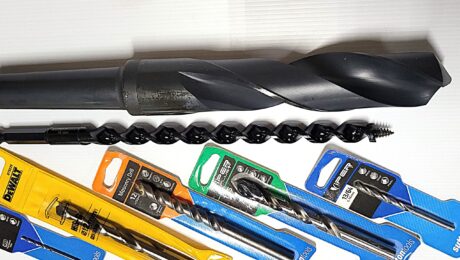
Metal drilling requires strength, heat resistance and cutting accuracy. Most metal drill bits are manufactured from High Speed Steel (HSS), with variations designed for different workloads.
- HSS Drill Bits – Suitable for mild steel, aluminium and non-ferrous metals
- Cobalt Alloy Bits – Improved heat resistance for harder steels
- Split Point Bits – Reduce wandering and improve accuracy when starting holes
Premium brands available at Alltools WA include Sutton Tools, P&N, DeWalt, SP Tools and Teng Tools.
Masonry & Concrete Drill Bits
Masonry drilling requires durable carbide-tipped bits designed to withstand impact and abrasive materials.
- Carbide Tipped Points for durability
- Optimised flute design for dust removal
- SDS Plus and SDS Max shanks for rotary hammer drills
Ideal for brick, block, concrete and stone applications.
Wood Drill Bits
Wood drilling focuses on clean entry and smooth finishes. Different styles serve different purposes:
- Brad Point Bits – Precise and clean entry holes
- Auger Bits – Deep, fast drilling in timber
- Spade Bits – Rapid large-diameter holes
- Forstner Bits – Flat-bottom holes for cabinetry and joinery
Specialist & Multi-Purpose Drill Bits
- Step Drill Bits – Multiple hole sizes in sheet metal
- Countersink Bits – Flush screw finishes
- Multi-Material Bits – Suitable for various surfaces
- Hole Saws – Large openings in timber and light steel
Drill Bit Materials & Coatings
- High Speed Steel (HSS)
- Cobalt Alloy
- Carbide Tips
- Black Oxide and Titanium Coatings
Choosing the right material improves drilling performance and extends bit life.
How to Choose the Right Drill Bit
- Match the bit to material hardness
- Select the correct diameter and length
- Ensure compatibility with your drill (standard, hex or SDS)
- Use appropriate drilling speed and pressure
Shop Drill Bits at Alltools WA
Alltools WA supplies high-quality drill bits for trade, industrial and DIY use. Whether you’re drilling steel, timber or concrete, we have the right solution to help you get the job done efficiently and reliably.
Browse our full range of drill bits online or contact our team for helpful advice.
- Published in Tool Type
MIG vs TIG vs ARC Welding Guide | Trade, Industrial & DIY Welding Australia
MIG, TIG & ARC Welding Explained
Choosing the Right Welding Process for Trade, Industrial & DIY Applications
Welding sits at the heart of construction, fabrication, manufacturing and maintenance across Australia. From structural steel and site repairs to precision stainless fabrication and weekend projects in the shed, selecting the right welding process makes the difference between a clean, reliable result and unnecessary rework.
At Alltools WA, we work with tradespeople, industrial operators and serious DIY users every day. This guide breaks down the three most common welding processes — MIG, TIG and ARC — and helps you understand which suits your application best.
We’ll also touch on trusted industry brands including Bossweld, Dynaweld, Eclipse, Lincoln, Speedglas and Weldclass.
MIG Welding (Gas Metal Arc Welding)
What is MIG Welding?
MIG welding uses a continuously fed wire electrode and shielding gas to create a clean, stable arc. The wire acts as both the electrode and filler material, making the process fast and efficient.
Why Trades & Workshops Favour MIG
- Fast deposition rates
- Easy to learn and operate
- Excellent for mild steel fabrication
- Ideal for repetitive production work
- Cleaner welds with minimal slag
Best For:
- Fabricators and boilermakers
- Maintenance workshops
- Automotive panels and chassis
- DIY users working with mild steel
Modern inverter-based MIG machines offer smooth arc characteristics, stable wire feed and adjustable settings that make setup straightforward whether you’re on site or in the workshop.
TIG Welding (Gas Tungsten Arc Welding)
What is TIG Welding?
TIG welding uses a non-consumable tungsten electrode to produce the arc, with filler rod added separately by hand. Shielding gas protects the weld pool.
Why Professionals Choose TIG
- Extremely clean welds
- Precise heat control
- Excellent for thin materials
- Ideal for stainless steel and aluminium
- Superior cosmetic finish
Best For:
- Stainless fabricators
- Aluminium specialists
- Pressure pipe welders
- Detail-focused trades
- Skilled DIY builders
TIG welding is widely used in stainless fabrication, food-grade applications, aluminium fabrication, motorsport, marine and high-spec industrial work.
ARC Welding (Stick Welding / MMA)
What is ARC Welding?
ARC welding, also known as Stick or MMA welding, uses a consumable electrode coated in flux. As the electrode burns, it creates shielding gas and slag to protect the weld.
Why ARC Still Dominates on Site
- Excellent for outdoor work
- Performs well in wind
- Handles dirty or rusty steel
- Strong penetration
- Simple and portable equipment
Best For:
- Structural trades
- On-site repairs
- Rural and agricultural maintenance
- DIY users working outdoors
ARC welding remains one of the most versatile and rugged welding processes available.
Choosing the Right Process
Choose MIG if you need speed, productivity and clean welds on mild steel.
Choose TIG if you need precision, control and a superior finish on stainless or aluminium.
Choose ARC if you need portability, strong penetration and reliable performance outdoors.
Welding Safety & Equipment Matters
Welding exposes operators to intense light, UV radiation, fumes and heat. Proper PPE is essential.
High-quality helmets, gloves, jackets and consumables improve both safety and weld quality. Clear optics and reliable accessories help reduce eye strain, improve visibility and ensure consistent arc performance.
Supporting Trade, Industrial & DIY Welders
At Alltools WA, we understand that welding equipment is not just a purchase — it’s an investment in productivity, reliability and workmanship.
Whether you’re a boilermaker setting up a new workshop, an industrial maintenance team upgrading plant equipment, a fabrication business expanding capacity, or a serious DIY operator building projects at home — choosing the right welding process and equipment ensures better results and fewer setbacks.
Quality welding starts with the right process — and the right gear behind it.
- Published in Tool Type
Choosing Quality, Long-Lasting Tools Matter
Why Choosing Quality, Long-Lasting Tools Matters
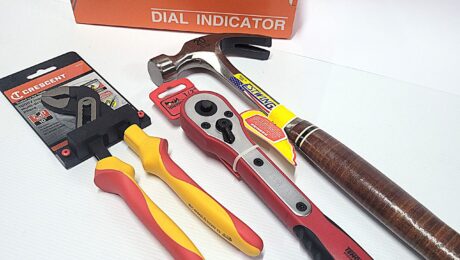
Every tradesperson, DIY enthusiast, and homeowner knows the difference a reliable tool makes. From tightening a bolt to completing a large-scale renovation, your tools are more than just objects—they’re the backbone of your projects. While lower-cost options may seem appealing at first, the benefits of investing in high-quality, durable tools quickly become clear.
The Value of Reliability and Performance
When your tools are well-made, they perform consistently, project after project. High-quality hand tools and power tools allow for:
-
Consistent performance: You can count on your tool to work exactly as intended, whether it’s a precision screwdriver, a robust hammer, or a power drill.
-
Reduced frustration: Tools that don’t slip, bend, or fail mid-task save time and effort.
-
Enhanced efficiency: Reliable tools allow projects to progress smoothly, letting you focus on the work instead of worrying about equipment failures.
Durability That Lasts for Years
A common mistake is underestimating the importance of durability. Cheaper alternatives might wear out after a few months of heavy use, while well-engineered tools can last decades. Look for features like:
-
Hardened metals and corrosion-resistant finishes
-
Reinforced handles and ergonomic designs
-
Tools that maintain their shape and precision under frequent use
Durable tools not only save money over time but also reduce environmental waste by avoiding frequent replacements.
Safety Should Never Be Compromised
Subpar tools can be a hidden risk. A handle that snaps or a cutting tool that bends unexpectedly is not just inconvenient—it can be dangerous. Investing in reliable, robust tools ensures safer operation, giving peace of mind whether you’re in a home workshop or on a professional job site.
How to Identify Long-Lasting Tools
Finding quality tools doesn’t have to be complicated. Consider the following:
-
Material quality: Opt for tools made from high-grade steel, reinforced plastics, or treated metals.
-
Ergonomics: Comfortable grips and balanced weight make extended use easier and reduce fatigue.
-
Brand reputation: Tools that have a proven history of durability are often a safer choice.
-
Customer feedback: Real-world reviews can reveal how tools perform over months and years.
Cost vs. Long-Term Value
While high-quality tools may come with a higher upfront cost, they are an investment in reliability and longevity. Frequent replacements, repairs, and downtime from tool failures can quickly exceed the cost of purchasing a durable tool in the first place.
Building a Workshop That Works
A well-equipped workshop or toolbox isn’t just about having every tool imaginable—it’s about having tools that work as hard as you do. Investing in long-lasting hand tools, power tools, and accessories ensures your workshop remains functional, efficient, and ready for any project.
Whether you’re tightening screws, assembling furniture, or taking on larger home improvement tasks, using durable, reliable tools makes every project smoother and more enjoyable. At Alltools WA, our carefully selected range of tools prioritizes quality, durability, and long life, so your investment pays off for years to come.
- Published in Uncategorised
